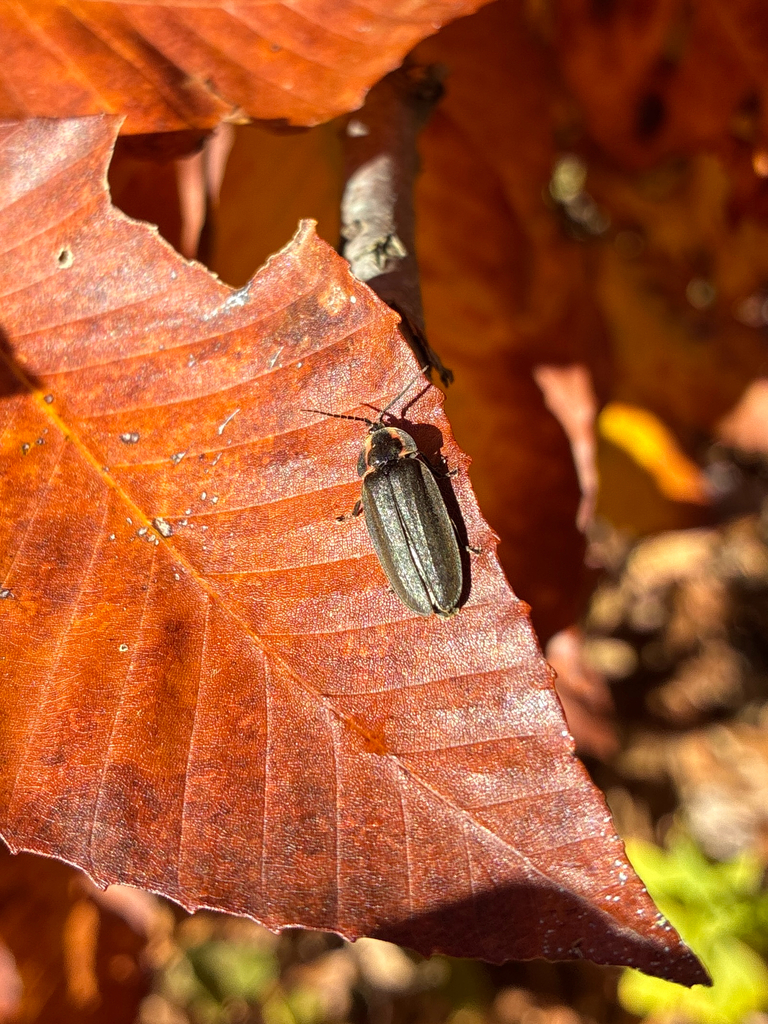
When Plastic Tubs and Trays Block the Soil
How covered yards and paved garden beds stop fireflies from digging in the dirt, and what you can do about it.
Fireflies, lightning bugs, glow-worms: the same beetle by three names, and it is vanishing across the world. Help map where they still glow, so those places can be protected before the dark is complete.
Each pulse is a confirmed sighting shared by someone like you. Tap anywhere on the map to drop a pin for a place you've seen fireflies, then add the details below.
Dark map tiles from CARTO / OpenStreetMap. Use the layers menu to switch base maps, the location button to jump to your location, or click anywhere to geo-tag a sighting.
Only log fireflies you saw yourself and are confident about. Confirmed, careful records are what make this data worth protecting a place over.
An unidentified sighting is still valuable data. Note the flash colour, rhythm, and habitat — experts can often ID from that.
Over 2,000 firefly species glow worldwide — beetles, not flies. Each genus has its own flash "language." Here are the ones you're most likely to meet.

The classic backyard 'lightning bug'. Males trace a distinctive J-shaped swoop with a warm yellow flash on summer evenings.
Read the full profile →Southeast Asia's marvel — thousands gather in mangrove trees and flash in unison, whole trees pulsing together like a heartbeat.
Read the full profile →Widespread across Asia's rice paddies and rivers. Quick, greenish flashes low over water and wet fields at dusk.
Read the full profile →
The wingless female glows a steady green from the grass to call flying males — a continuous lantern, not a flash.
Read the full profile →
Instead of blinking, males drift low through Appalachian forests holding a steady, eerie blue-white light.
Read the full profile →
A small eastern firefly that blinks from shrubs and low branches at dusk in high summer.
Read the full profile →
Often the first firefly of the year in North America, flashing amber high in the trees in spring.
Read the full profile →
In this European glow-worm the flying male shines too, drifting through warm woods with a steady light.
Read the full profile →Short, plain-language reads about the fireflies people are finding — where they glow, why they glow, and what helps them survive.
How covered yards and paved garden beds stop fireflies from digging in the dirt, and what you can do about it.
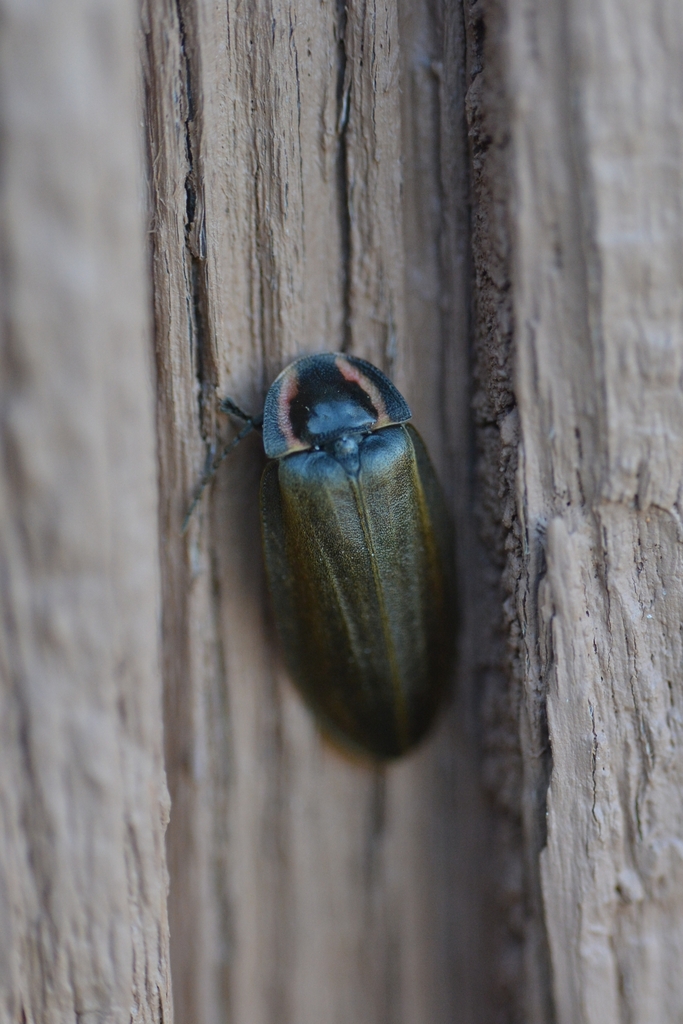
A look at the map shows winter fireflies and glow-worms glowing in the dark, using a chemical trick that makes light without heat.
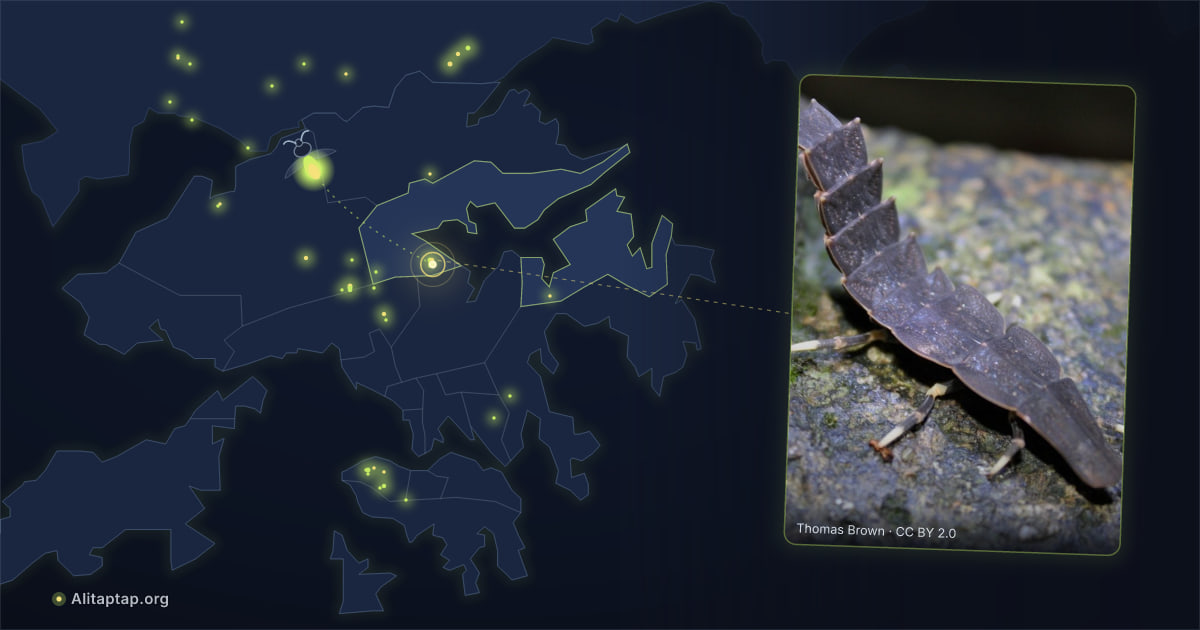
Discover the fireflies of Tai Po Kau in Hong Kong through the hidden life of the larva, and learn how to spot them safely.

Some fireflies glow green, some glow yellow, and some even glow orange. Here's why.

A light bulb gets hot, but a firefly's light stays cool. That's why scientists call it "cold light."

In the Great Smoky Mountains, thousands of fireflies flash together, and so many people want to see it that the park gives out passes by lottery.
Films, footage, photos, and reading about fireflies and the people working to save them. A calm place to fall back in love with the light.
Some fireflies glow green, some glow yellow, and some even glow orange. Here's why.

The leading invertebrate-conservation group on the threats fireflies face and their work to protect them.
A light bulb gets hot, but a firefly's light stays cool. That's why scientists call it "cold light."

Practical, tonight-actionable steps: lighting, water, leaf litter, and skipping the pesticides.
In the Great Smoky Mountains, thousands of fireflies flash together, and so many people want to see it that the park gives out passes by lottery.

The synchronous mangrove fireflies (Pteroptyx) that gather in riverside trees across the region.
Firefly decline isn't a mystery — scientists have named the causes, and each one is something people can act on.
Fireflies flash to find mates. Artificial light at night drowns out their signals, so they can't find each other and can't breed. It's the threat most directly tied to the glow itself, and the one a single porch light can worsen or a single dark yard can ease.
Larvae need damp ground, whether riverbanks, wetlands, mangroves or leaf litter, for the year or more they spend growing before they ever glow. Drainage, development, and tidy lawns erase exactly the messy wet places they depend on.
Firefly larvae are ground predators that eat snails, slugs, and worms. Broad-spectrum insecticides kill the larvae directly and wipe out the prey they need. Gardens kept chemical-free become refuges.
Many larvae grow in or beside streams, marshes, and rice paddies, tied to the water around them. Fertiliser runoff, sewage, and chemical spills poison these nurseries long before the adults would ever light up.
Drought dries out the damp ground larvae depend on, and heat and shifting seasons throw off the timing of their brief adult glow. Rising seas and fiercer storms are eroding the mangroves where synchronous fireflies gather.
Turn off outdoor lights in summer. Leave part of a yard wild and damp. Skip the pesticides. Don't over-collect. And log what you see here — protection follows data, and a place nobody recorded is a place nobody defends.
Further reading: Firefly Conservation & ResearchLight pollutionXerces SocietyFirefly Atlas
Alitaptap is a volunteer, not-for-profit effort. Donations keep the map online first — the domain, the hosting and the sightings database. Whatever they cover beyond that goes to community firefly-watching drives and to students and researchers.
What donations pay for now
What they fund once that is covered
Secure checkout handled entirely by PayPal. You don't need a PayPal account to give.
Other ways to give
Spotted something broken, or have an idea to make the map better? Tell us. It goes straight to the team.