Listening to the Evening Glow
Walk through a twilight evening and discover how sunset, dusk, and dark connect fireflies to old songs and quiet nighttime habits.
每一次闪动都是像你一样的人分享的一次确认目击。在地图上任意位置轻点,为你见过萤火虫的地方放置一枚标记,然后在下方补充详情。
深色地图图块来自 CARTO / OpenStreetMap。使用图层菜单切换底图,使用定位按钮跳转到你的位置,或点击任意位置为一次目击添加地理标记。
只记录你亲眼所见并确信无疑的萤火虫。经过核实、认真的记录,才能让这些数据足以为一个地方赢得守护。
未确定物种的目击记录依然很有价值。请记下闪光的颜色、节奏和栖息环境——专家往往能据此判断物种。
全世界有 2000 多种萤火虫在发光——它们是甲虫,而非苍蝇。每个属都有自己独特的闪光“语言”。以下是你最有可能遇见的几种。

The classic backyard 'lightning bug'. Males trace a distinctive J-shaped swoop with a warm yellow flash on summer evenings.
阅读完整介绍 →Southeast Asia's marvel — thousands gather in mangrove trees and flash in unison, whole trees pulsing together like a heartbeat.
阅读完整介绍 →Widespread across Asia's rice paddies and rivers. Quick, greenish flashes low over water and wet fields at dusk.
阅读完整介绍 →
The wingless female glows a steady green from the grass to call flying males — a continuous lantern, not a flash.
阅读完整介绍 →Instead of blinking, males drift low through Appalachian forests holding a steady, eerie blue-white light.
阅读完整介绍 →已记录在社区目击中。若可用,图片来自 Wikimedia Commons。
已报告已记录在社区目击中。若可用,图片来自 Wikimedia Commons。
已报告已记录在社区目击中。若可用,图片来自 Wikimedia Commons。
已报告用简单的话写的短文,讲人们发现的萤火虫:它们在哪里发光、为什么发光,以及什么能帮助它们活下去。
Walk through a twilight evening and discover how sunset, dusk, and dark connect fireflies to old songs and quiet nighttime habits.

Discover what moths and fireflies share in the dark, and why night lights confuse them both.
Discover how the changing weather and seasons around the world bring out different firefly species for night celebrations.
关于萤火虫以及致力于拯救它们的人们的影片、影像、照片与文章。一个让你重新爱上这束光的宁静角落。

Thousands of fireflies flashing in perfect unison — one of nature's most extraordinary displays.

The leading invertebrate-conservation group on the threats fireflies face and their work to protect them.
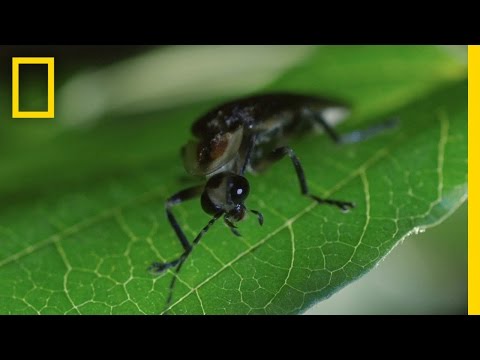
Inside the parks where synchronous fireflies draw crowds for a few magical nights each year.

Practical, tonight-actionable steps: lighting, water, leaf litter, and skipping the pesticides.
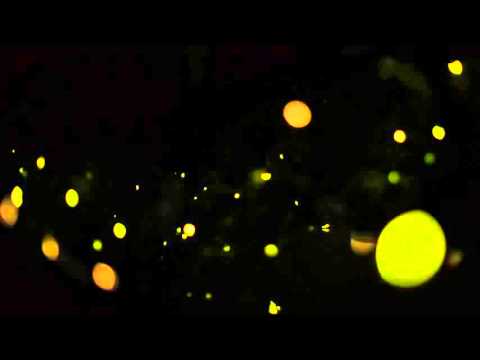
The surprising science behind whole hillsides of fireflies blinking as one.

The synchronous mangrove fireflies (Pteroptyx) that gather in riverside trees across the region.
萤火虫的减少并非谜团——科学家已指明了原因,而每一项都是人们可以采取行动去应对的。
萤火虫通过闪光来寻找配偶。夜间的人造光会淹没它们的信号,使它们无法找到彼此、无法繁殖。这是与萤光本身最直接相关的威胁——一盏门廊灯就能让它恶化,而一个黑暗的院子就能让它缓解。
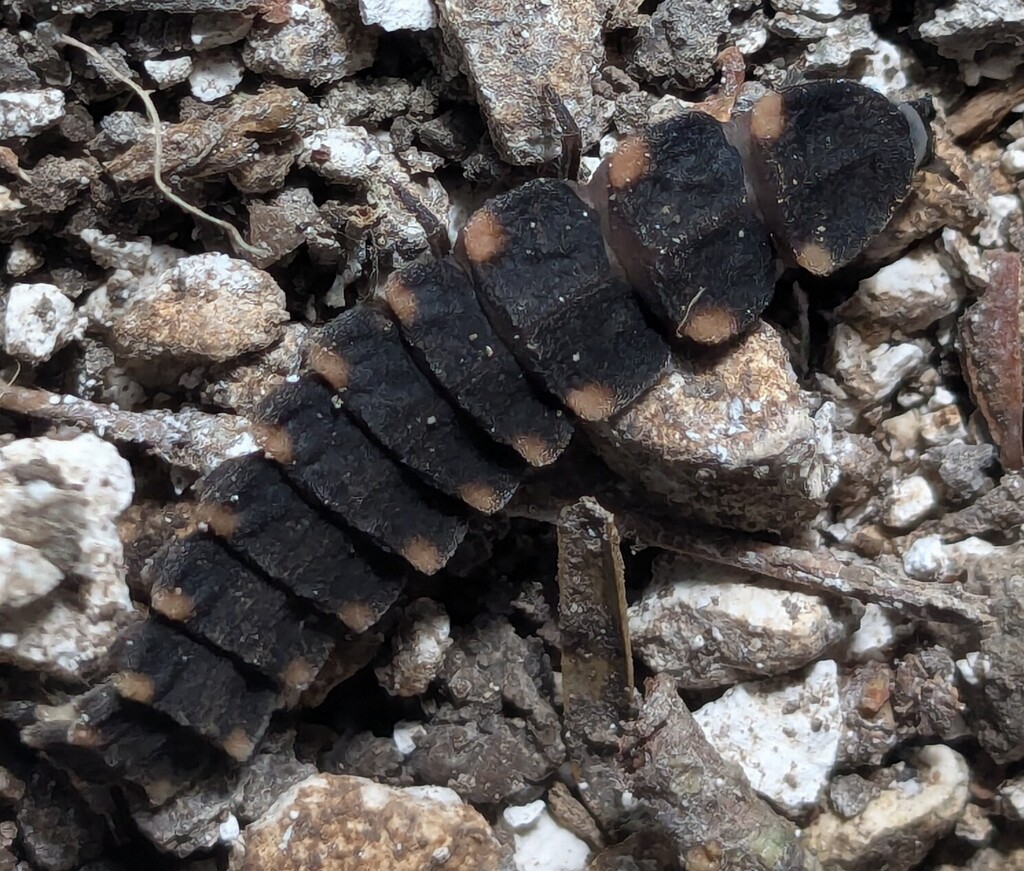
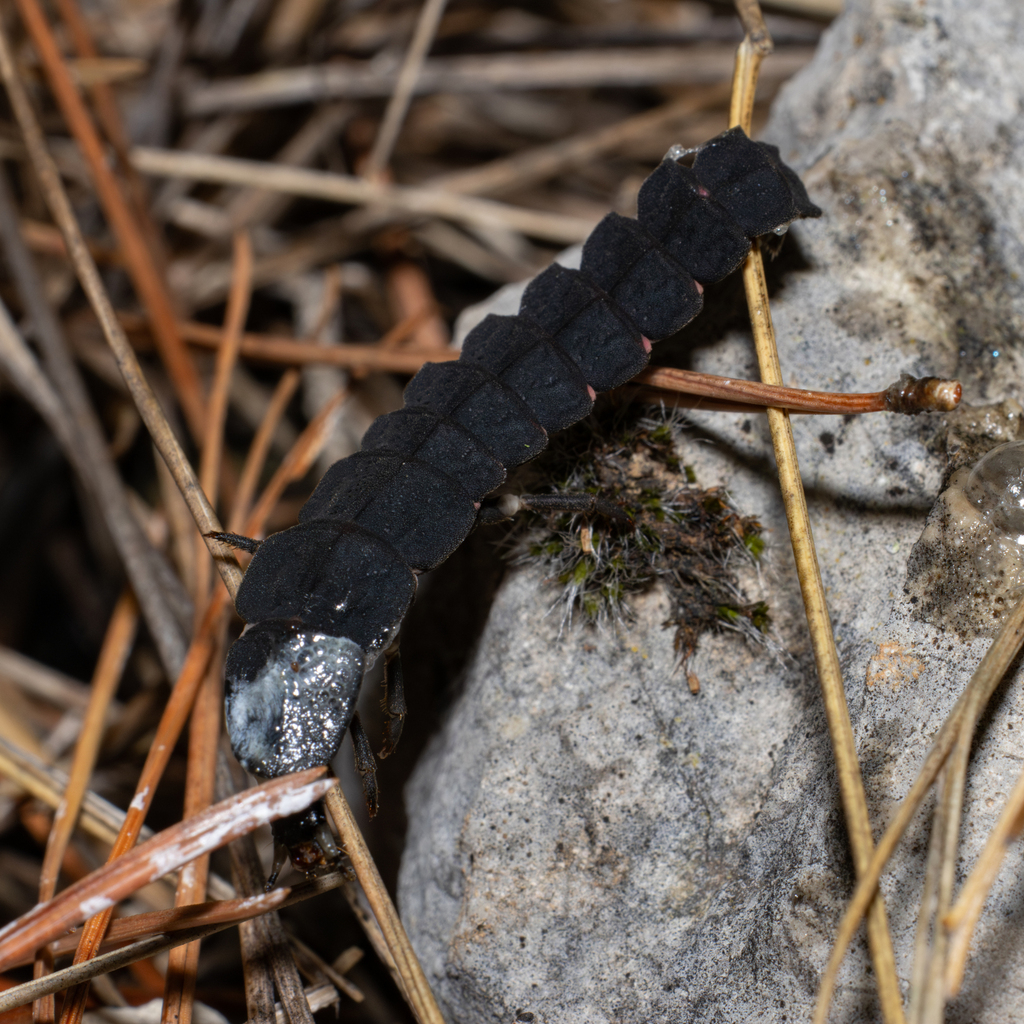
幼虫需要潮湿的地面——河岸、湿地、红树林、落叶层——在发光之前,它们要在那里生长一年甚至更久。排水、开发和修剪整齐的草坪,恰恰抹去了它们赖以生存的那些杂乱潮湿之地。
萤火虫幼虫是地面捕食者,以蜗牛、蛞蝓和蠕虫为食。广谱杀虫剂会直接杀死幼虫,并消灭它们所需的猎物。不使用化学品的花园则会成为庇护所。
许多幼虫在溪流、沼泽和稻田中或其旁边生长,与周围的水息息相关。化肥径流、污水和化学品泄漏,早在成虫发光之前就毒害了这些育幼之地。
干旱使幼虫赖以生存的潮湿地面变干,高温和季节变化打乱了它们短暂成虫期发光的时机。海平面上升和更猛烈的风暴,正在侵蚀同步萤火虫聚集的红树林。
夏天关掉户外灯。让院子的一部分保持荒野与潮湿。不用杀虫剂。不要过度采集。并在这里记录你所见——保护跟随数据而来,无人记录之地,便是无人守护之地。
延伸阅读: Firefly Conservation & ResearchLight pollutionXerces SocietyFirefly Atlas
Alitaptap 是一个志愿、非营利的项目。捐款首先用于让地图保持在线——域名、托管和观察记录数据库。在此之外还能覆盖的部分,用于社区萤火虫观察活动,以及支持学生和研究者。
捐款目前用于
覆盖上述开销后,还将支持
安全结账完全由 PayPal 处理——无需 PayPal 账户即可捐赠。
或前往商店——周边与装备 →发现了问题,或有让地图变得更好的想法?告诉我们——会直接送达团队。