Somebody in Kiangan stepped outside after dark, saw the rice terraces lit up, and wrote it down. Somebody in Bohol did the same last month. Somebody in Ecuador photographed a small beetle in 2011 and shared the picture.
None of them have ever met. Alitaptap is the place where all of their notes sit on one map, and it is lovely that it exists at all.
Right now that map holds more than 2,500 sightings across over 100 species, and more than 75 places have gathered enough records to have a page of their own. It reads in eight languages. Every night a small program asks iNaturalist what people logged in thirty countries, and brings the answers home. All of it is free to read, free to add to, and the whole dataset can be downloaded by anyone — a student, a teacher, a researcher, a local group planning a dark-sky night.
That is a good thing to have built, and everyone who has ever logged a sighting helped build it.
Made in the evenings
I make this site on my own, after work. I have a full-time job and a family, so Alitaptap grows in the hours around them. Some evenings, some weekends, a little at a time.
I am not saying that to complain. I love this work. I am saying it because the site looks bigger than it is, and people are sometimes surprised to learn there is no company behind it. There is just someone who thinks fireflies are worth keeping track of, and who is very glad other people think so too.
What a donation pays for
Two small bills, and nothing else: the hosting that serves the pages, and the database that holds the sightings.
Both run on free plans today. Free plans are generous, and they also have a ceiling, and the map has been growing quickly since the nightly import began reaching countries whose fireflies nobody had collected before. That growth is exactly what we want. Donations are simply what lets it continue instead of slowing down.
So a gift here does three concrete things:
- keeps the nightly import running, so new sightings keep arriving
- makes room for the older records still waiting to be collected
- keeps every page free, for everyone, with no wall in front of it
There is no salary in that list, no office and no advertising budget. Every peso goes to the bills.
If you would like to give
The buttons are right below this article — no need to go looking for them.
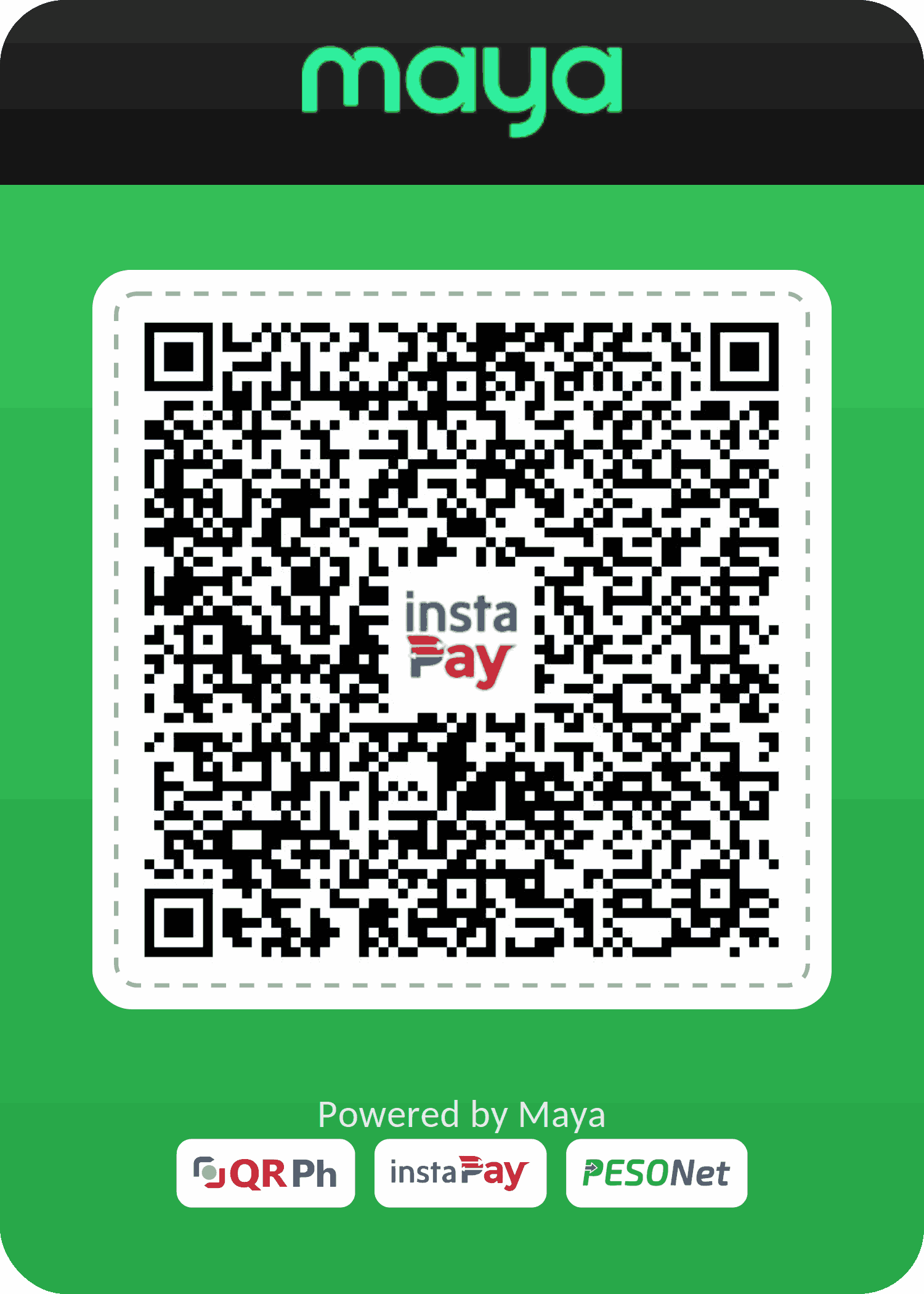
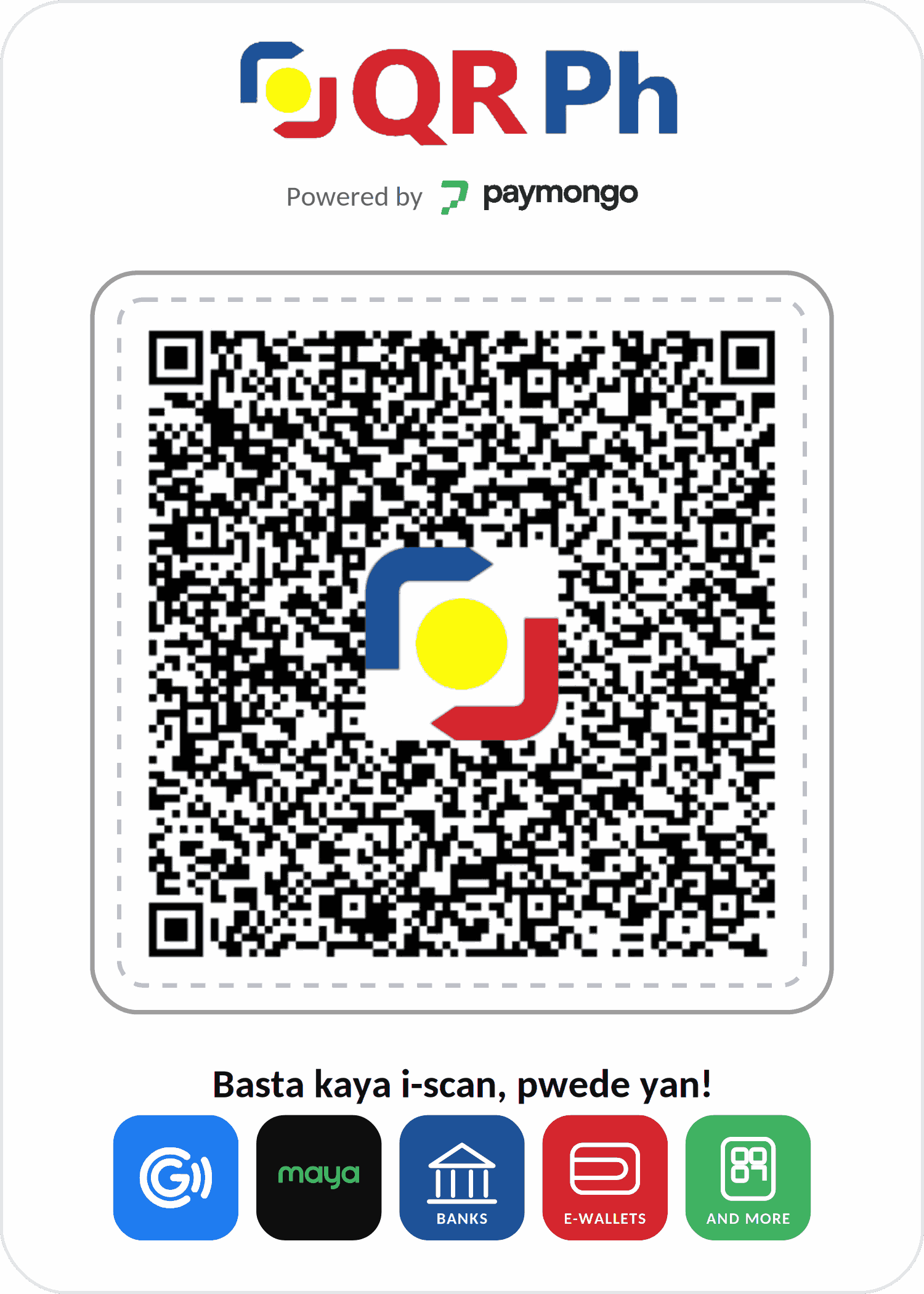
QR Ph — scan the code with GCash, Maya, or your banking app. It is the national standard, so almost any Philippine wallet reads it. Tap "Show the code larger" if you are reading on a phone and want to scan it from another one.
PayPal — for anyone giving from outside the Philippines.
Both go through the provider's own page, so this site never sees a card number.
Any amount genuinely helps, and small ones add up faster than you would think. We never publish who gave what — a thank-you is not a leaderboard. If you would like your name on the supporters list, just say so and it goes up; if you would rather stay quiet, that is just as welcome.
Ways to help that cost nothing
Please do not feel you have to give. Most of what this map needs is not money at all, and these matter just as much:
Log a sighting. One record, with a place and a date, is real data. The map is made of them.
Confirm an identification. Plenty of firefly photos on iNaturalist never reach species level because nobody with the knowledge has seen them. If you know what you are looking at, saying so helps every project that uses those records, not only this one.
Share a page. Send a place page to a friend, a teacher, a barangay group, a birdwatching club. A map nobody knows about cannot do much good.
Just come and look. Reading the site costs you nothing and costs us almost nothing, and it is the reason any of this is worth doing.
If your business would like to help in a bigger way, there is a sponsors page with a page of your own on it. That works nicely for cafés, resorts, farms and tour operators whose guests already love dark skies.
Why it is worth doing
Fireflies need dark nights, clean water and undisturbed ground. Where they are still glowing, something is going right. Putting that on one map, in eight languages, free and open to everybody, means the record outlasts whoever happens to be keeping it.
I would like my children to walk out on a warm night and see the same lights I did, in the same places, and to know that somebody bothered to write it down.
Thank you for reading, and a genuine thank you to everyone who has already added a sighting, shared a page, or helped in any way at all. You are the reason there is a map here.